Research Areas
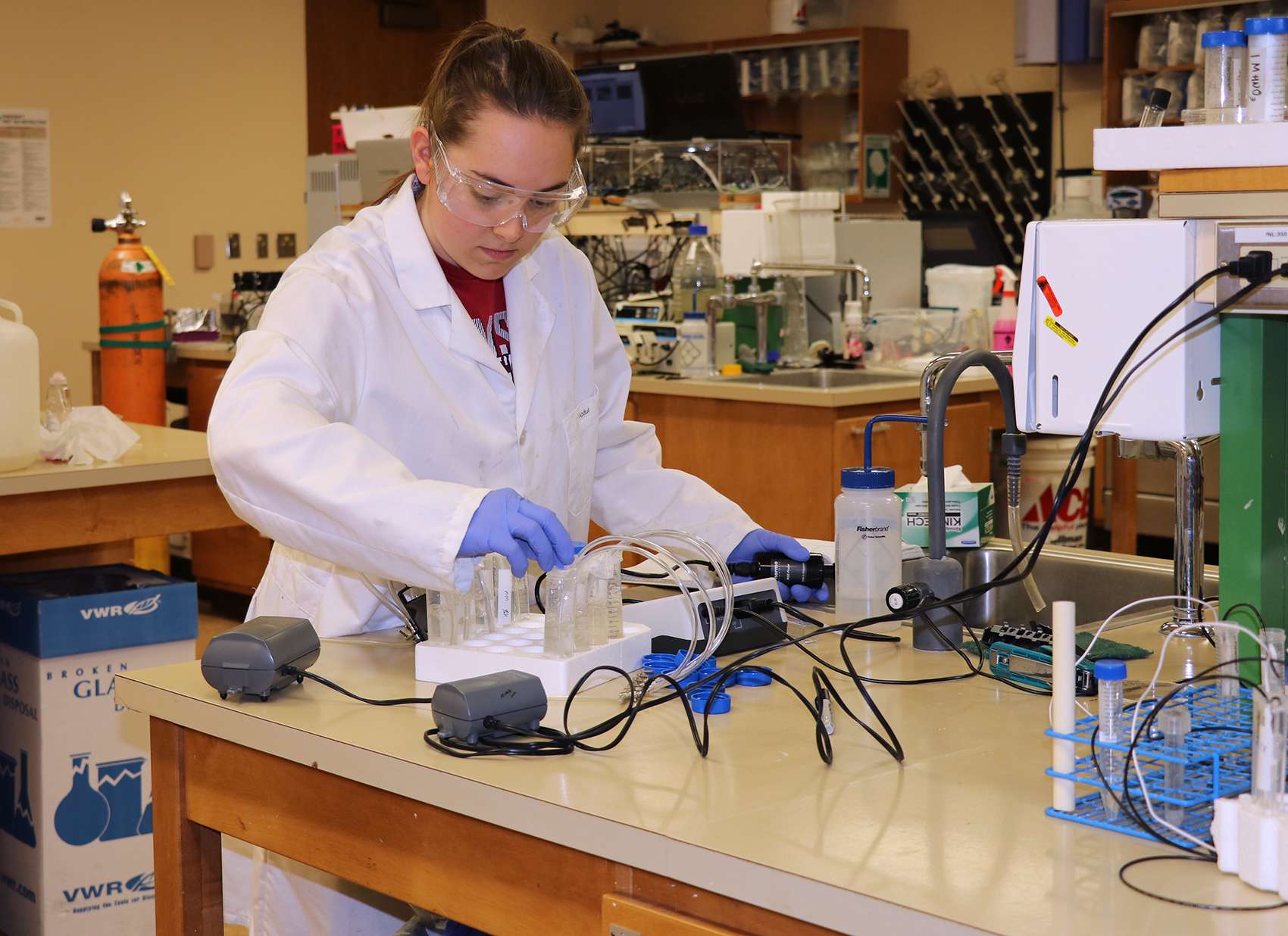
Biofilm Engineering
- Electrochemically active biofilms
- Biofilm engineering for health, environment and energy
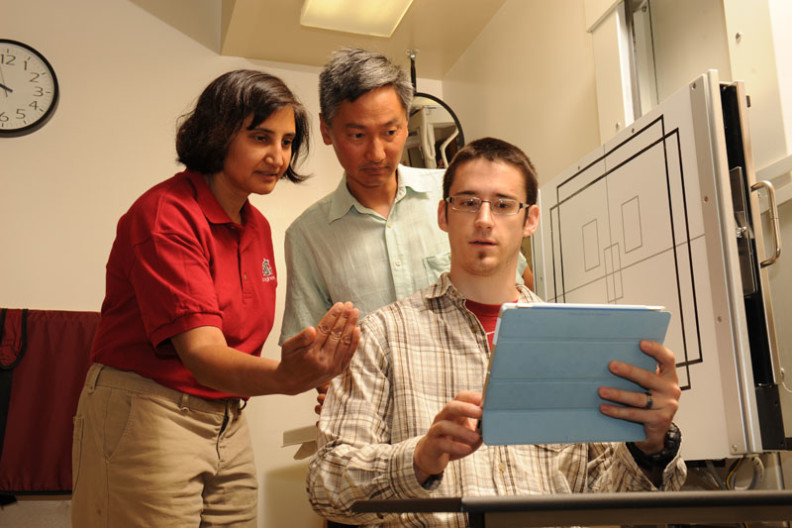
Biomechanics
- Musculoskeletal mechanics
- Mammalian cellular mechanics
Catalysis & Kinetics
- Biofuels
- Fuel cells
- Bioremediation
- Catalyst characterization,
testing, and design - Reaction kinetics
- Systems modeling
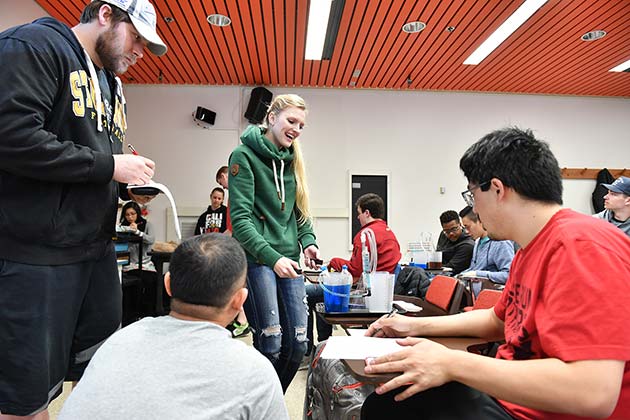
Engineering Education
- Integrated multidisciplinary design education
- Hands-on learning
- Engineers in the K–12 classroom
- K–12 teachers in the engineering laboratory
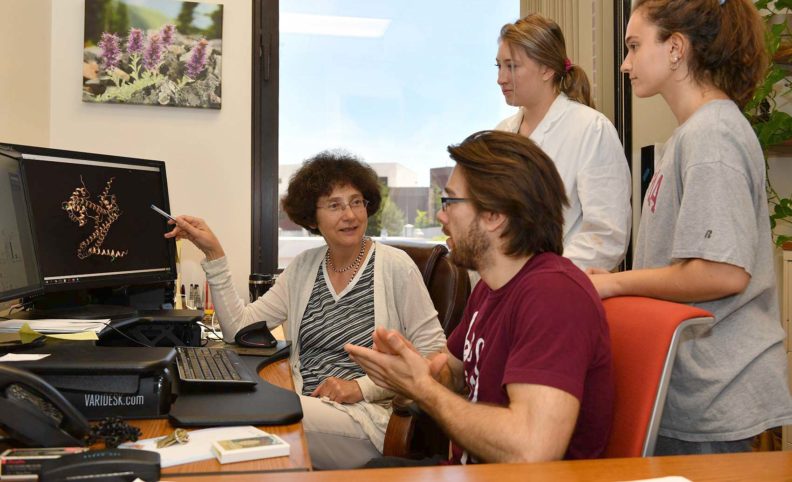
Protein Molecular Engineering
- Protein separation, purification and characterization
- Protein-protein interactions
- Drug mechanisms
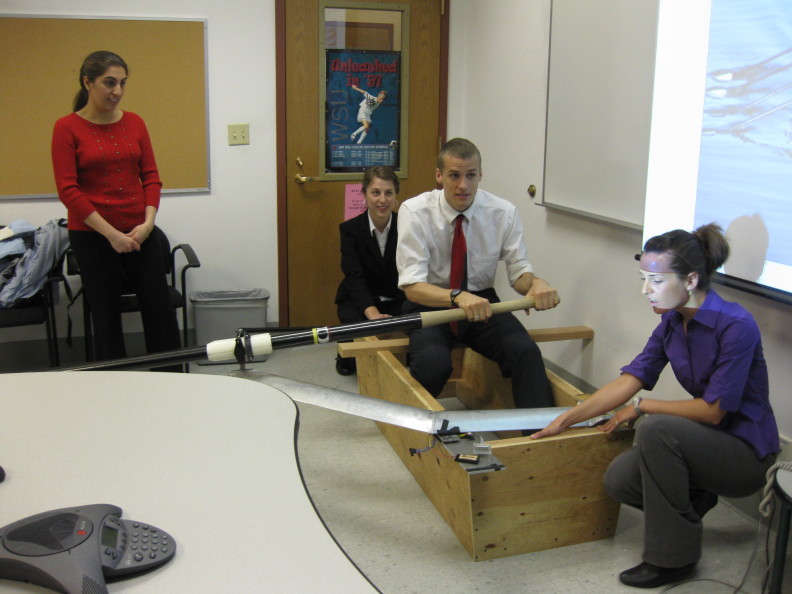
Sensors
- Ion selective electrodes
- Biomolecular and biomarker sensors
- Chemical sensors
Surface Analysis Center
This analytical center is one of the world’s foremost collection of chemical reactive surface analysis under in situ and operando conditions.
Undergraduate Research
Undergraduate research allows students to apply the theoretical concepts they have learned in the classroom to real-world problems.