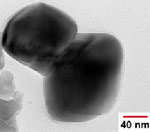
Catalysts, which are critically important to more than 35% of the global GDP, are a vital key to our economic, environmental, and public health. Catalytic systems enable modern transportation systems, safe foods, a clean environment, and life-saving vaccines and pharmaceuticals. In partnership with the Pacific Northwest National Laboratory, WSU is positioned to be a national leader in developing, testing and using catalysts to advance society.
A catalyst is a substance that…
- Facilitates and speeds molecular transformations in a chemical reaction, but is not consumed or produced in the process.
- Lowers the amount of energy needed to accomplish the chemical reaction.
- Maximizes production of desired products.
- Minimizes production of less-desirable and/or environmentally hazardous by-products.
Catalysts are…
- Used in 90% of the world’s chemical processes that manufacture 60% of chemical products.
- Responsible for 75% by value of all the products derived from petroleum.
- Essential to life, as highly specific biological catalysts (enzymes).
Chemical and biological catalysts are used in…
- Energy production by combining small molecules or breaking large molecules to produce useable products like gasoline, diesel fuel, and jet fuel from petroleum or forest residues. They also are used in converting methane, biomass, and alcohols to useful products.
- Energy conversion systems to enable high efficiency fuel cells and new battery technologies.
- Chemical production for tires, plastics, polymers, laundry detergent, and agrichemicals, including fertilizers and pesticides.
- Environmental control systems to reduce emissions from automobiles, power plants, and manufacturing facilities.
- Food processing to make fruit juices, cheese, beer, bread, margarine, high-fructose corn syrup, and many other foods.
- Consumer products such as pharmaceuticals, detergents, chemicals, ethanol-based fuels, and food products.
- Health care for the production of highly specific vaccines, pharmaceuticals and nutraceuticals; chemicals which are needed worldwide to ensure public health.
- Life itself, which depends on enzymes (biologically-produced catalysts) to maintain the body’s myriad of systems.
WSU’s research are developing new catalysts for alternative fuels, for the clean conversion of liquid fuels to electricity, and for reduced vehicle pollution. It will also enable the manufacture of new consumer products that would result in a cleaner environment, better fertilizers, and new drugs that will save lives worldwide.