Bioengineering
Strengths of the Program
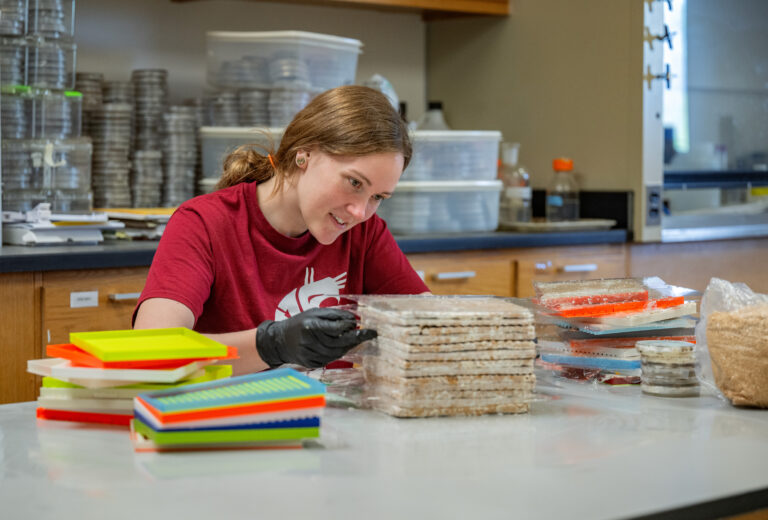
- More than 80% of students participate in undergraduate research or industrial internships
- Diverse undergraduate program with women representing more than 50% of graduates
- Senior capstone course integrates entrepreneurship and governmental regulation, enabling you to develop your own biotechnology startups
- Access to a variety of laboratories on campus for hands-on learning and interdisciplinary collaboration
- Graduates will be ready to obtain a Professional Engineering license
- Award-winning, experienced faculty who collaborate with industry partners
Student Spotlights
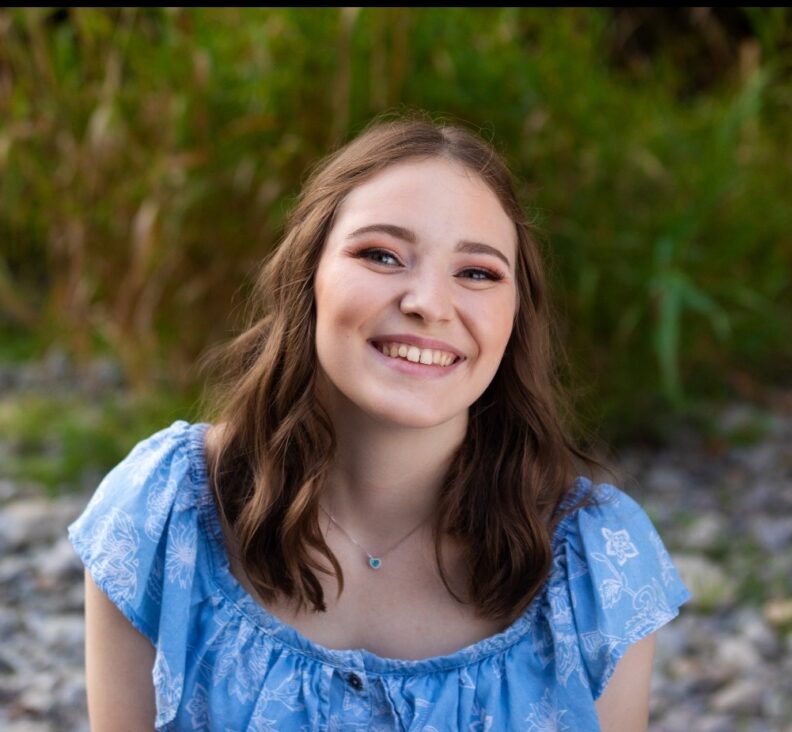
Student Spotlight: Ellie Sarchi
Ellie Sarchi is a bioengineering major graduating in May 2027.

Student Spotlight: Samar A Patil
Samar A. Patil is a bioengineering major graduating in May 2028.
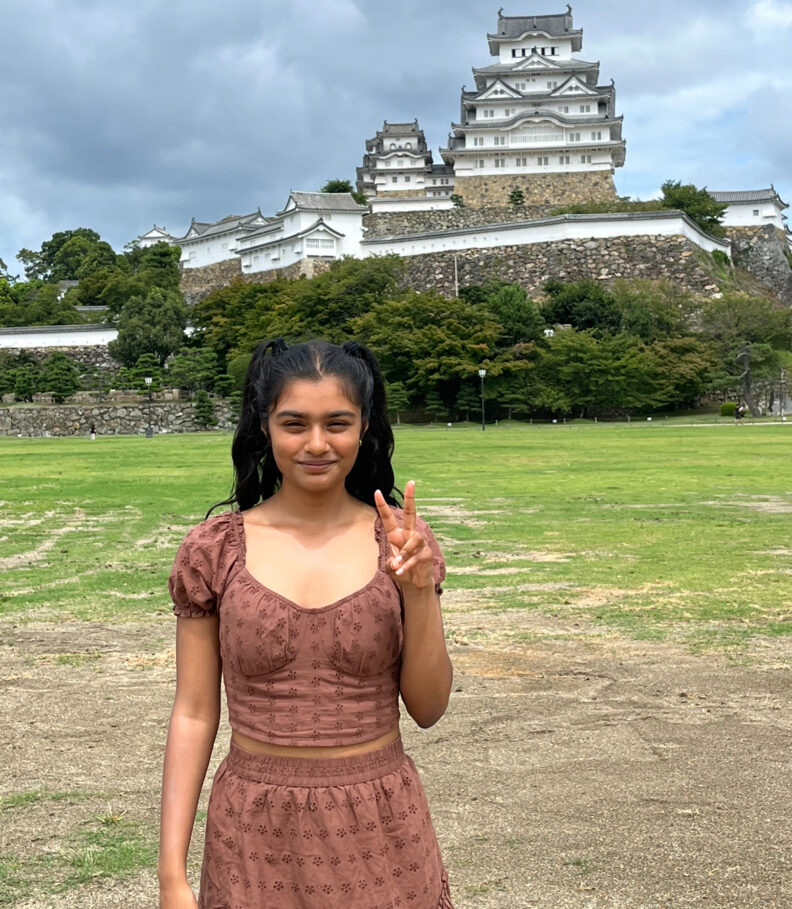
Student Spotlight: Ananya Saravana
Ananya Saravana is a bioengineering major graduating in May 2027.
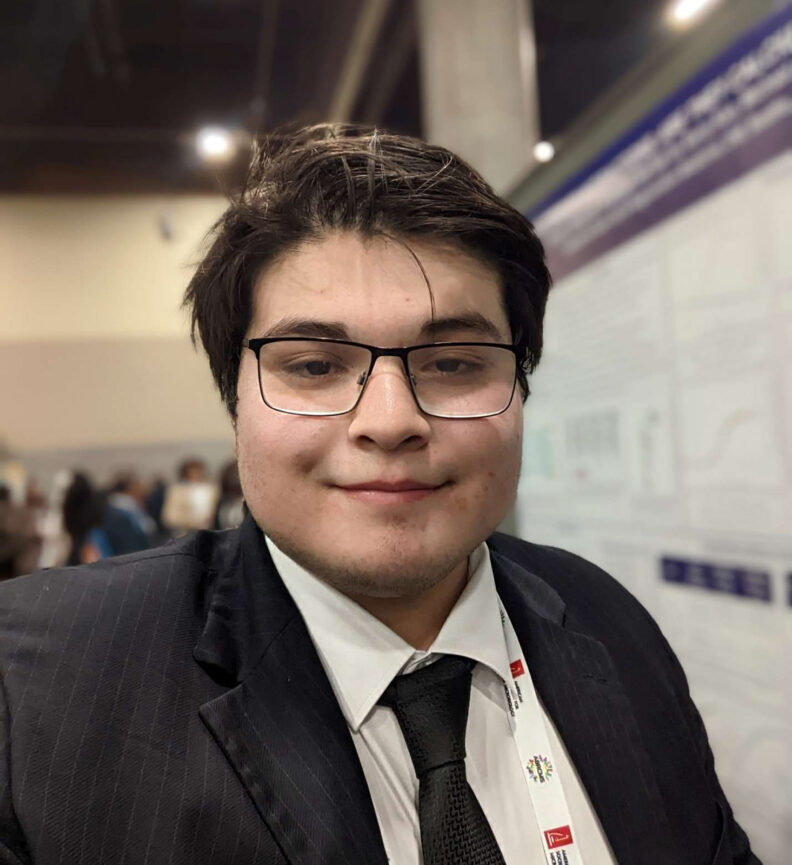
Student Spotlight: Brayan Osegueda Velazquez
Brayan Osegueda Velazquez is a bioengineering major graduating in May 2025.
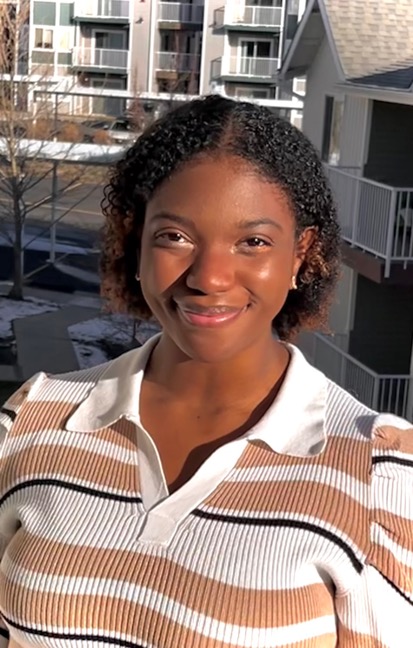
Student Spotlight: Zakora Moore
Zakora Moore is a bioengineering major graduating in May 2024.
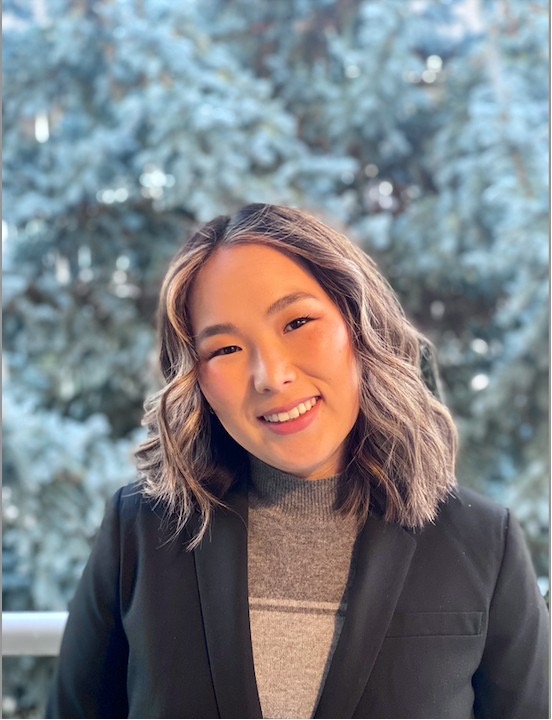
Student Spotlight: Zaya (Delgerzaya) Tsengelmaa
Zaya (Delgerzaya) Tsengelmaa is a bioengineering major graduating in May 2022.
Preparation for Bioengineering
A strong preparation in mathematics, physics, and chemistry is strongly recommended.
The Voiland School cooperates with the community colleges in Washington to minimize problems associated with transfer. Inquiries are welcome. A strong preparation in mathematics, physics, and chemistry is strongly recommended prior to transfer to minimize the time required at Washington State University to complete the bachelor’s degree requirements. Students who have taken statics, differential equations and circuits at their previous institution, and who take ChE 201 during the summer session, will be able to proceed through the curriculum in a timely manner. In particular, statics is a prerequisite course for students to complete their coursework in two years after transferring to WSU.
The requirements for direct entry into chemical engineering or bioengineering programs upon transfer are the same as listed for certification. Transfer student applications will be handled by the Admissions Office and sent to the school so that students do not need to make a separate application to the school. Questions about transfer course equivalencies can be addressed through the Office of Admissions for general education courses, or by the Voiland School Academic Coordinator, Maria Greaney Curry (mgreaney@wsu.edu), for bioengineering requirements.
Will my credits transfer?
If you are a transfer student, your transfer work will be evaluated by the Admissions Office and applied to your Degree Audit Report (DARs). The Admissions Office evaluates only General Education components (UCORE). Your department will evaluate any courses that may fulfill departmental requirements. Also, you may be able to review your Transfer Course Equivalencies by visiting the WSU Transfer Center. In addition, please visit the Voiland College’s Transfer Information page.
Admission, Requirements, and Schedules of Study
Following admission to WSU, a student may be admitted to the Bioengineering major provided they meet the criteria outlined in the WSU Catalog. Once admitted to the major, a student will maintain good standing in their major by completing the required benchmarks as outlined in the catalog.
WSU Catalog admission criteria, graduation requirements, and schedule of study for:
- Bioengineering – Biomedical Systems Option
- Bioengineering – Cellular and Molecular Option
- Bioengineering – Pre-Med – Biomedical Systems Option
- Bioengineering – Pre-Med – Cellular and Molecular Option
Students participating in the honors program will need to work with their advisor to fit the required honors courses into their schedules.
Questions?
Find answers to your questions about the bioengineering program at WSU.